Hello STG Community!
Welcome to our 2025 Year-in-Review! This year, one phrase defined our work more than anything else: "Building Momentum."
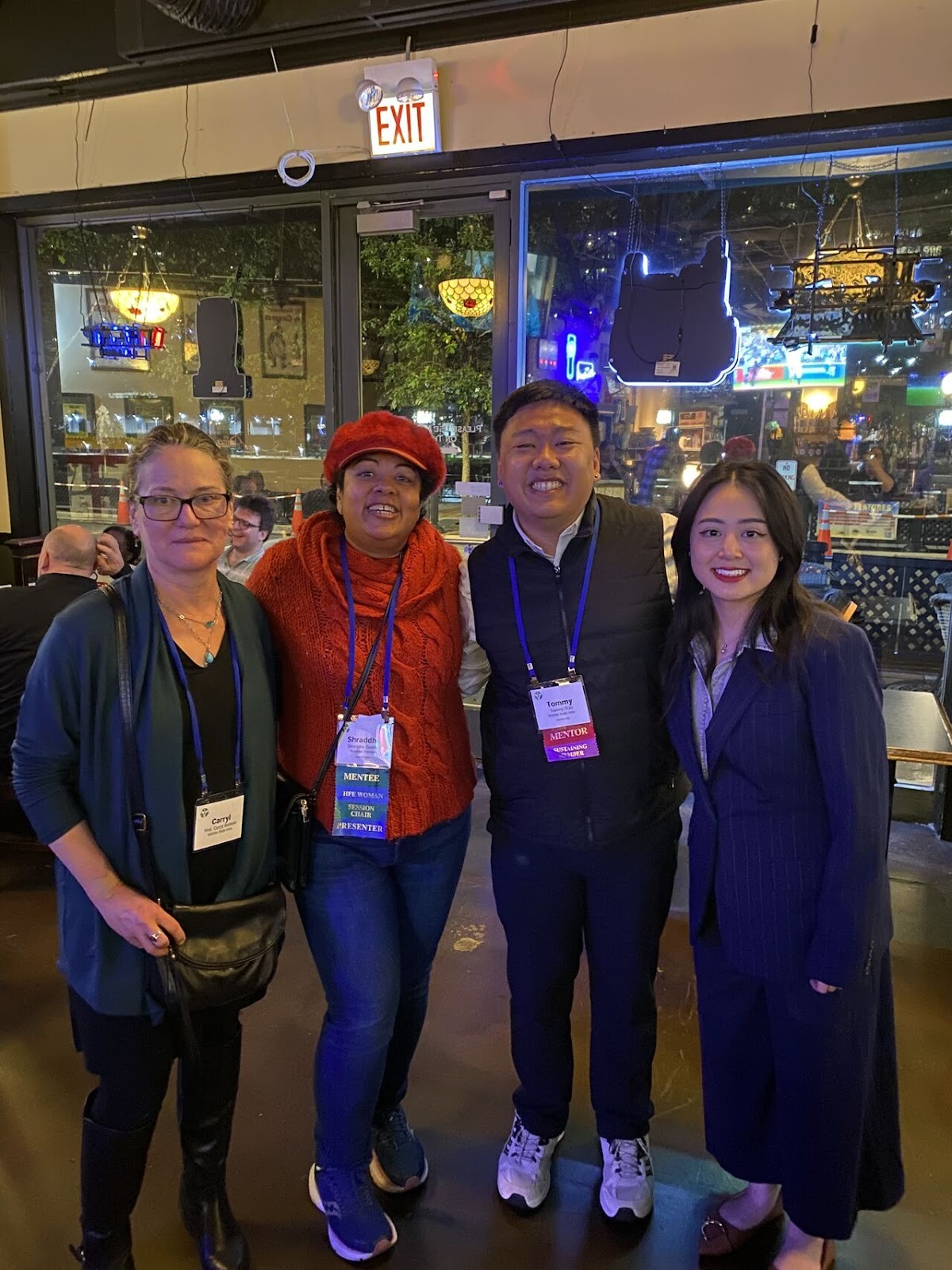
What began as quiet, early-morning planning meetings evolved into a dynamic season of collaboration, community engagement, and human-centered sustainability research. We started the year with quiet determination. But as the year progressed, that planning blossomed into action. From deep-dive member presentations on EV Interiors and Coffee Supply Chains to cross-technical group partnerships like the webinars with Tufts and the Aerospace group, 2025 marked a turning point where we moved from strategy to active engagement.
Whether you presented, attended, contributed ideas, or simply followed alone, you were a part of this momentum. Here is a look back at how we strengthened sustainability, a human-centered practice this year.
The Roots: January – June
Laying the Groundwork for Impact
Great oaks grow from little acorns, and our first half of the year was all about planting seeds that shaped everything that follows. During these months, STG:
-
Strengthened our leadership team, welcoming Carryl Baldwin as Program Vice Chair
-
Built a broad list of potential ASPIRE panels from Sustainable Aviation, to ROI of Human Factors, to Drone Delivery Systems
-
Refined communication channels and meeting structures
-
Set the foundation for collaborations with Tufts, HFES groups, and external partners
The quieter period was crucial. While less flashy than our fall events, these operational meetings set the stage for the "Summer of Sustainability" that followed.
Member Spotlight Series
Real-world science. Real-world impact.
Our monthly spotlight series showcase the remarkable research and practice happening across our community demonstrating how human-centered methods deepen sustainability outcomes.
July: Shining a Light on Solar Equity
Presented by Atif Ashraf
Drawing from his work as a National Academics (NASEM) fellow, Atif challenged us to look at the "Equity Gap." and highlighted the stark reality:
His insights on The Fix:
Don't just rely on residential rooftops as residential solar alone won't close the gap and proposed incentivizing businesses to use commercial roof space for Community Solar, allocating 25% of that energy specifically to disadvantaged communities.
Why businesses matter:
-
Commercial rooftops hold 19 gigawatts of potential
-
A single Walmart rooftop can power ~200 homes
-
Community solar supports both energy resiliency and equity
Policy Solutions:
-
Sunny Awards Program Renewal: funding, mentorship, and long-term tech support
-
Modified Tax Incentives: bonuses for storage, small-business installations, and redistributed community benefit credits
-
New Business Distribution Models: requiring 25% of generated energy to be allocated to disadvantaged communities
The Big Message: Solar equity is not just a technical challenge, it is a design challenge rooted in access, community benefit, and human-centered policy.
August: Pouring Change
Presented by Jaqlyne Hatfield
Case Study: Enhancing Starbucks' Water Management
Jaqlyne took us behind the counter to look at the usability study revealing cognitive load and system design affects environmental outcomes of... making cold brew! Her study revealed that the manual "free pour" method used in coffee shops isn't just a usability issue; it's a sustainability crisis.
The Problem:
-
High cognitive load during rush periods leads to overflow errors.
-
Cold brew requires 14 liters brewed over 20 hours
-
Baristas manually "free-pour" water into pitchers
-
Overflow risk window: 6–10 seconds
-
In 48 observed pourings → 42 overflowed
The Cost:
-
Approximately 1.2 liters of water are wasted per batch. Across global stores, this scales up to 14–22 million liters wasted annually.
-
~1.2 L wasted per batch → which scales to 14–22 million liters annually across 10,000+ Starbucks stores.
HF Insight:
This is not a human error issue, it is a system design issue. High-paced environments + high monitoring demand = cognitive overload.
The Solution:
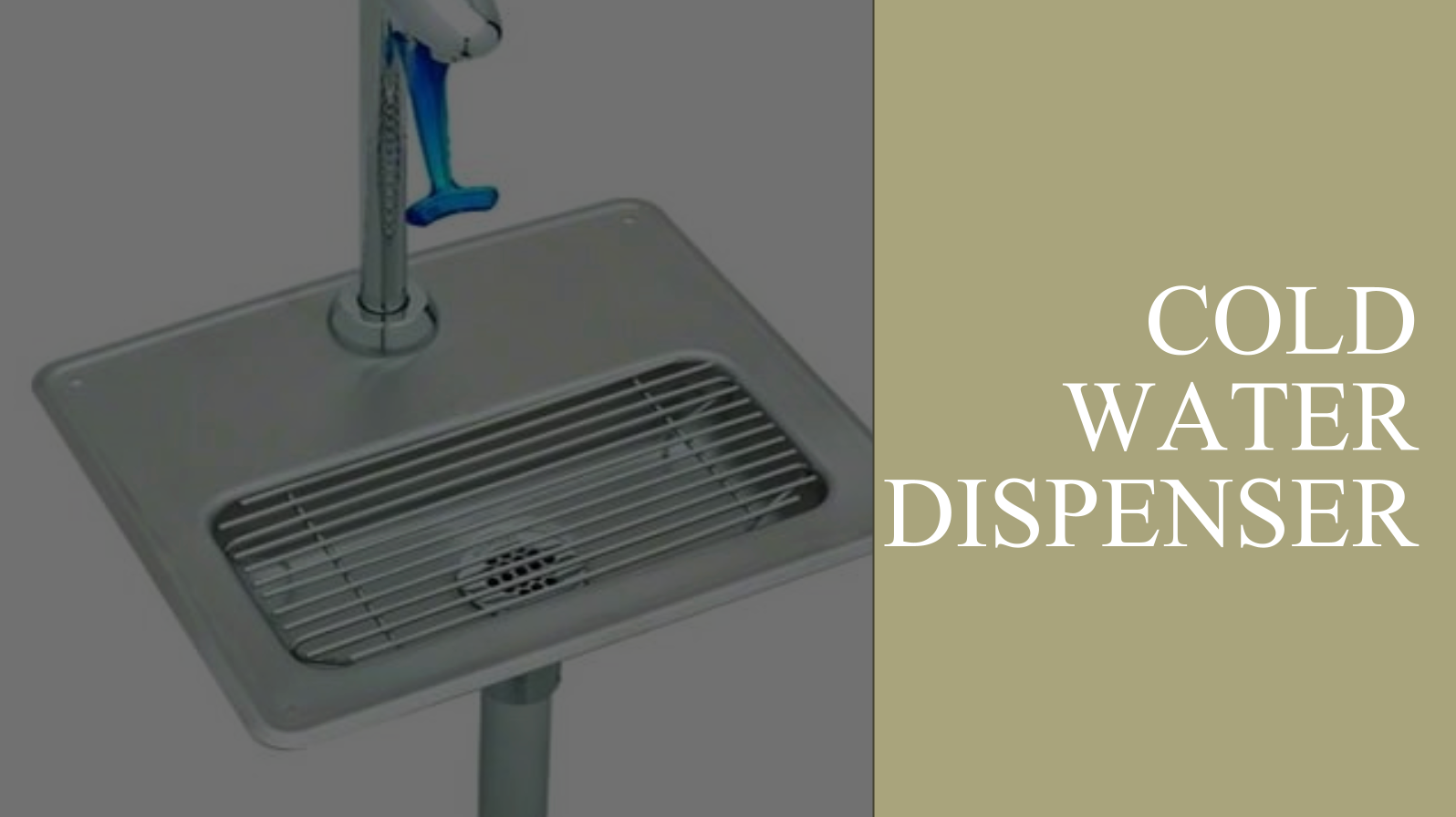
Implementing a precision water flow controller reduced human error and waste, proving that good ergonomics is good for the planet.
The Lesson:
Ergonomic design is sustainable design.
September: The "Green Code" Discussion
Discussion led by Mark Underwood
This session pushed us to examine the invisible environmental impact of digital systems. We explored the invisible environmental impact of our digital lives. Mark Underwood led a discussion on Human-AI Systems Test and Evaluation (HAISTE), highlighting that "fully secure software has not been achieved" and that our digital complexity often hides its carbon footprint.
Key Question:
How do we measure the environmental cost of AI training and data center impact?
Key Themes from His Work:
-
LLM training + data centers carry major carbon footprints
-
Software rarely includes sustainability-focused telemetry
-
Human factors can shape value streams, metadata, and observability for sustainability
-
AI systems require thoughtful test & evaluation frameworks informed by HF principles
Drawing from his research on psychology, systems engineering, and AI sustainability, Mark highlighted opportunities to integrate human-centered design across:
STG Impact:
Discussion from this presentation catalyzed interest in an HFES/ANSI standard on Human-AI Systems Test & Evaluation (HAISTE).
November: From Cabin to Climate with Shrreya Aagarwal
Topic: How AV Interior Zones Drive Sustainability
As we move toward Electric Vehicles (EVs) and Autonomous Vehicles (AVs), heating and cooling remains a massive energy drain, sometimes up to 50% of total auxiliary power. Shrreya's presentation challenged the "whole cabin" approach.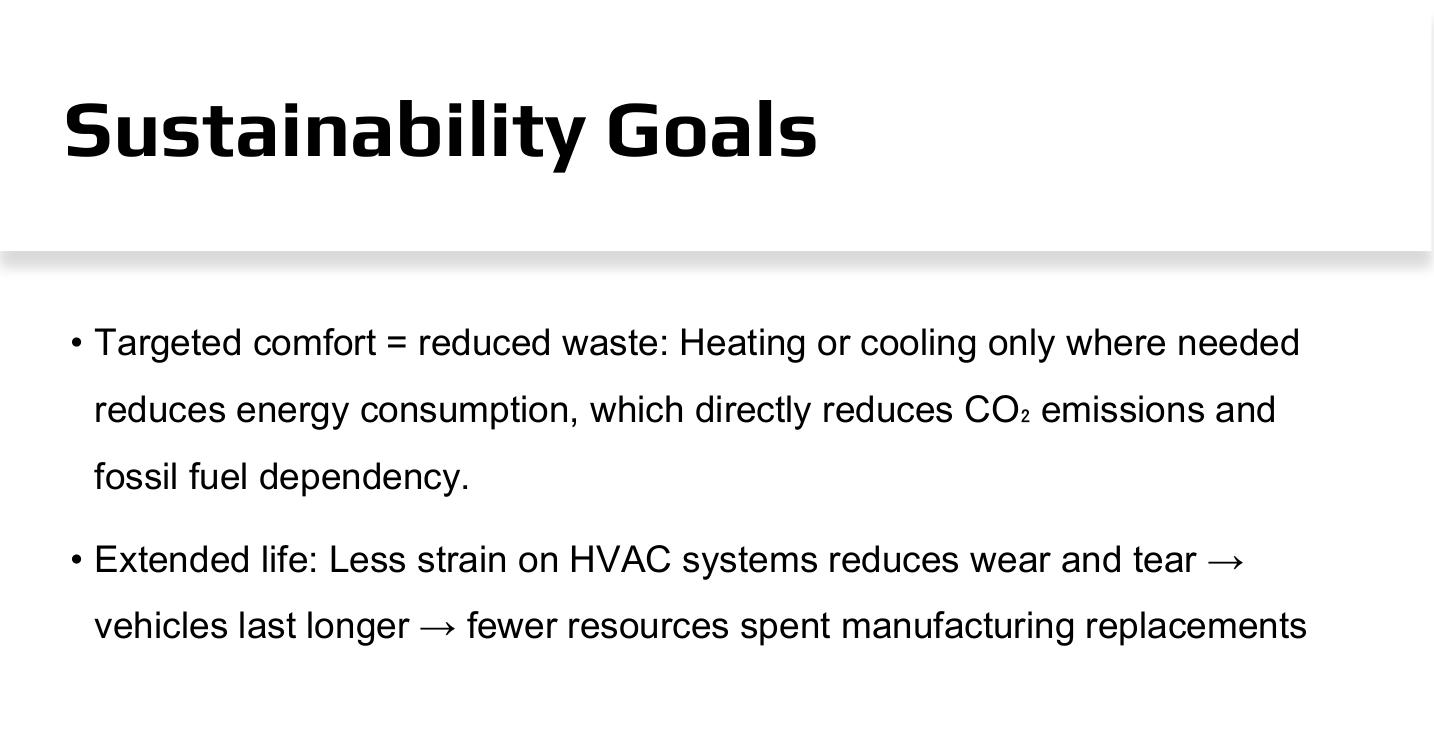
The Insight:
Why heat empty seats? Shrreya proposed automated zoned control systems that use occupancy sensors to condition only occupied spaces.
The Impact:
This targeted approach can cut energy use by around 30%, significantly extending EV range while maintaining passenger comfort.
Partnerships in Action: ASPIRE in October
Collaboration is the key to sustainability. October was a massive month for us, featuring high-impact collaborations and webinars.
1. The Supply Chain Deep Dive (with Rekha Sharma)
Webinar: Human Factors in Sustainable Supply Chain
Rekha Sharma opened our eyes to "hidden" emissions. She shared a staggering statistic from the Carbon Disclosure Project: Supply chains are responsible for up to 11.4 times a company's direct emissions.
The Takeaway: We cannot achieve sustainability without addressing human factors, specifically training, cognitive overload, and safety culture, among suppliers.
2. HFES x Tufts University Webinar

We bridged the gap between academia and practice with our Tufts collaboration. Special thanks to AJ Diokno for capturing the key insights:
-
Design at Every Scale: From helmets to cities, sustainability must be baked in.
-
The Critical Question: "Just because we can build it, should we?" Innovation without reflection can cause more harm than good.
3. Community Corner: HFES ASTG x STG Social
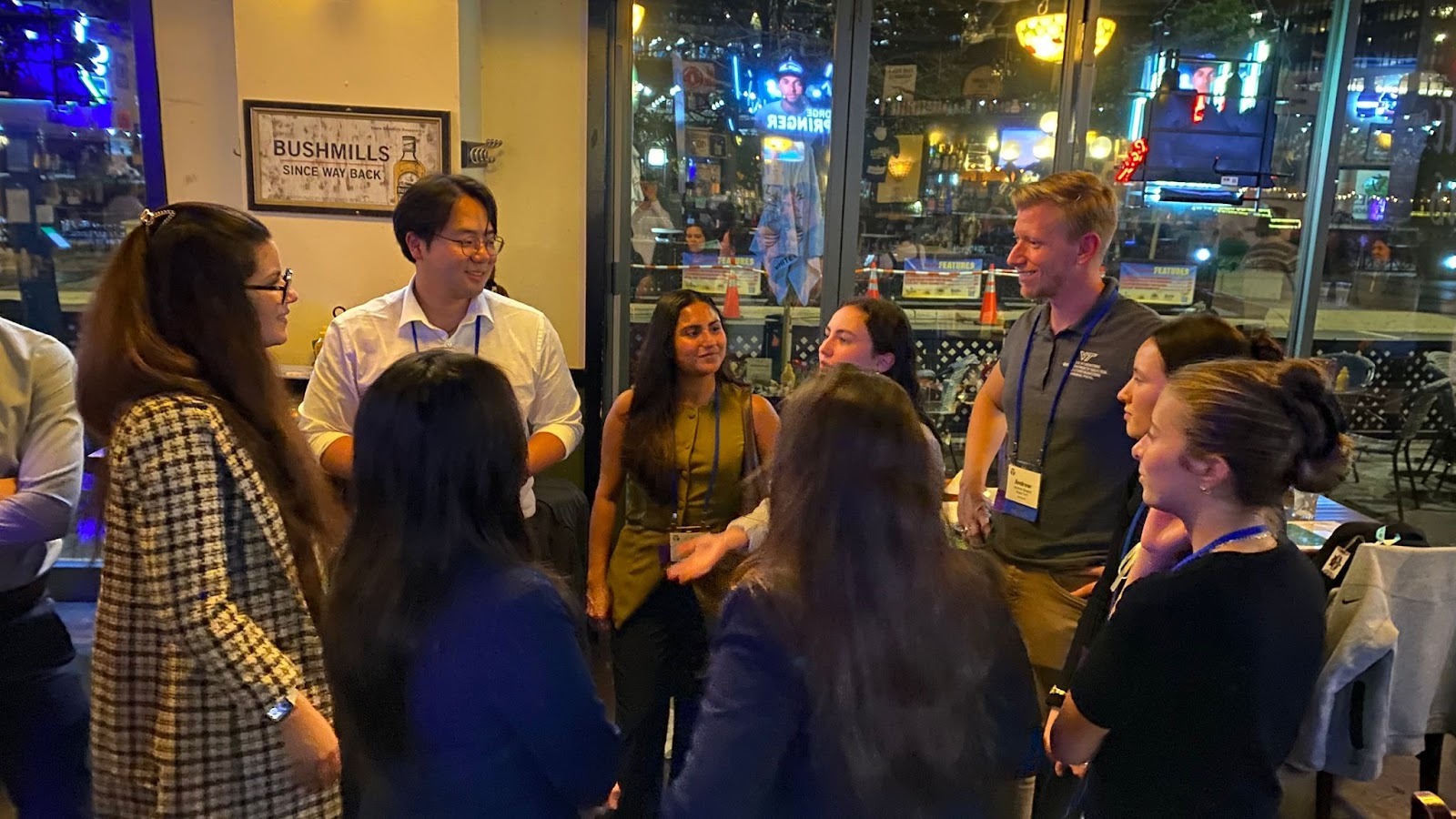
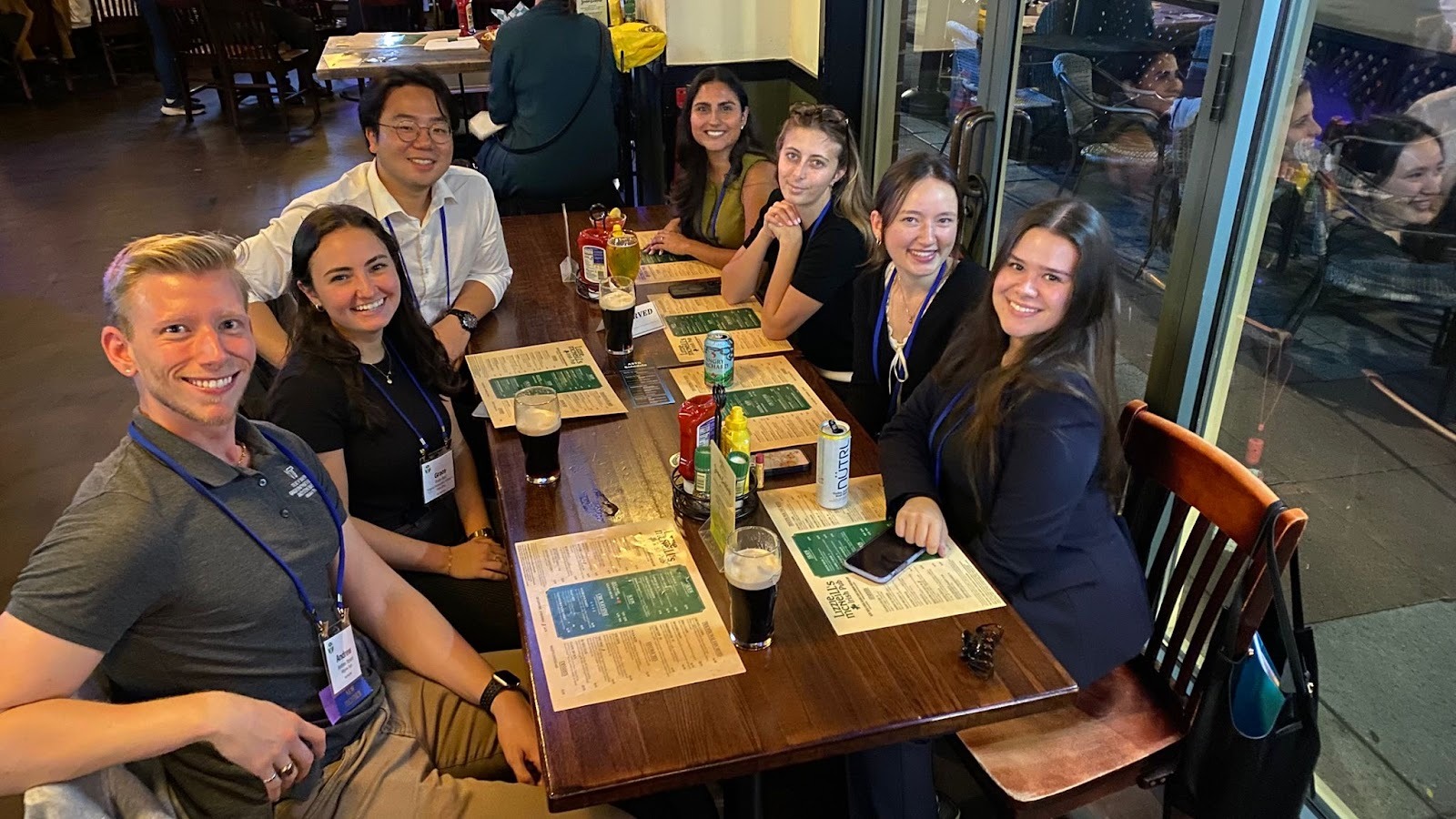
At HFES ASPIRE 2025, we loved connecting with the Aerospace Technical Group (ASTG) for a joint social mixer. Coming together after a long day, and an even longer week, of presentations and conference buzz made the gathering feel especially meaningful. It was a chance to breathe, reconnect, and share conversations that brought new energy and warmth across disciplines. It was wonderful to see familiar faces and make new connections across disciplines!
Sustaining Momentum: What's Next for 2026?
As we close the book on 2025, we are already looking ahead. We have big ideas brewing for 2026, but we need YOU.
-
Got a story? We want to feature your work and reach more people.
-
Have a tool? Share your favorite sustainability resources.
-
Want to speak? Our platform is open.
Submit a story or quote for our next issue: Submit here
🏆 Member Achievement - Congratulations to Atif Ashraf!
We are proud to share that Atif Ashraf, STG member and PhD candidate at Texas A&M University, has been selected to receive the prestigious International Ergonomics Association (IEA) Kingfar Award.
The Kingfar Award is presented annually to exceptional early-career professionals whose work demonstrates:
-
High-quality original research in HF/E
-
Innovative applications addressing emerging or globally relevant human factors issues
-
Contributions to advancing HF/E in industrially developing countries
-
Commitment to building a long-term career in human factors and ergonomics
Atif's work on energy equity, community solar adoption, and human-centered sustainability policy exemplifies the mission and values of the Sustainability Technical Group. His recognition underscores the growing global importance of sustainability-focused HF/E research.
Congratulations, Atif, on this outstanding achievement!
Thank you for reading, for engaging, and for making sustainability a human-centered practice. See you in the New Year!
Join Our Next Meeting: Jan 12, 2026 @ 9am PDT. To access the monthly meeting links, members would need to register for the STG via hfes.org.
------------------------------
Warm Regards,
Parkhi Malhotra
Human Systems Engineering | Arizona State University
Email:
pmalho11@asu.edu------------------------------